
What to Eat Before a Colonoscopy: A Simple Guide to Help You Prepare
Preparing for a colonoscopy can feel overwhelming, especially when it comes to knowing what you can and cannot eat. But following the right diet before your procedure is one of the most important steps to ensure your doctor gets a clear view during the exam.
A clean colon helps improve accuracy, reduce the chance of needing to repeat the procedure, and can even help detect precancerous polyps earlier.
Here’s a simple breakdown of what to eat before a colonoscopy and what to avoid.
A Few Days Before Your Colonoscopy
Most doctors recommend switching to a low-fiber diet about 3 days before your procedure. Fiber can stay in the digestive tract longer and make it harder to fully clean out the colon.
Foods You Can Usually Eat
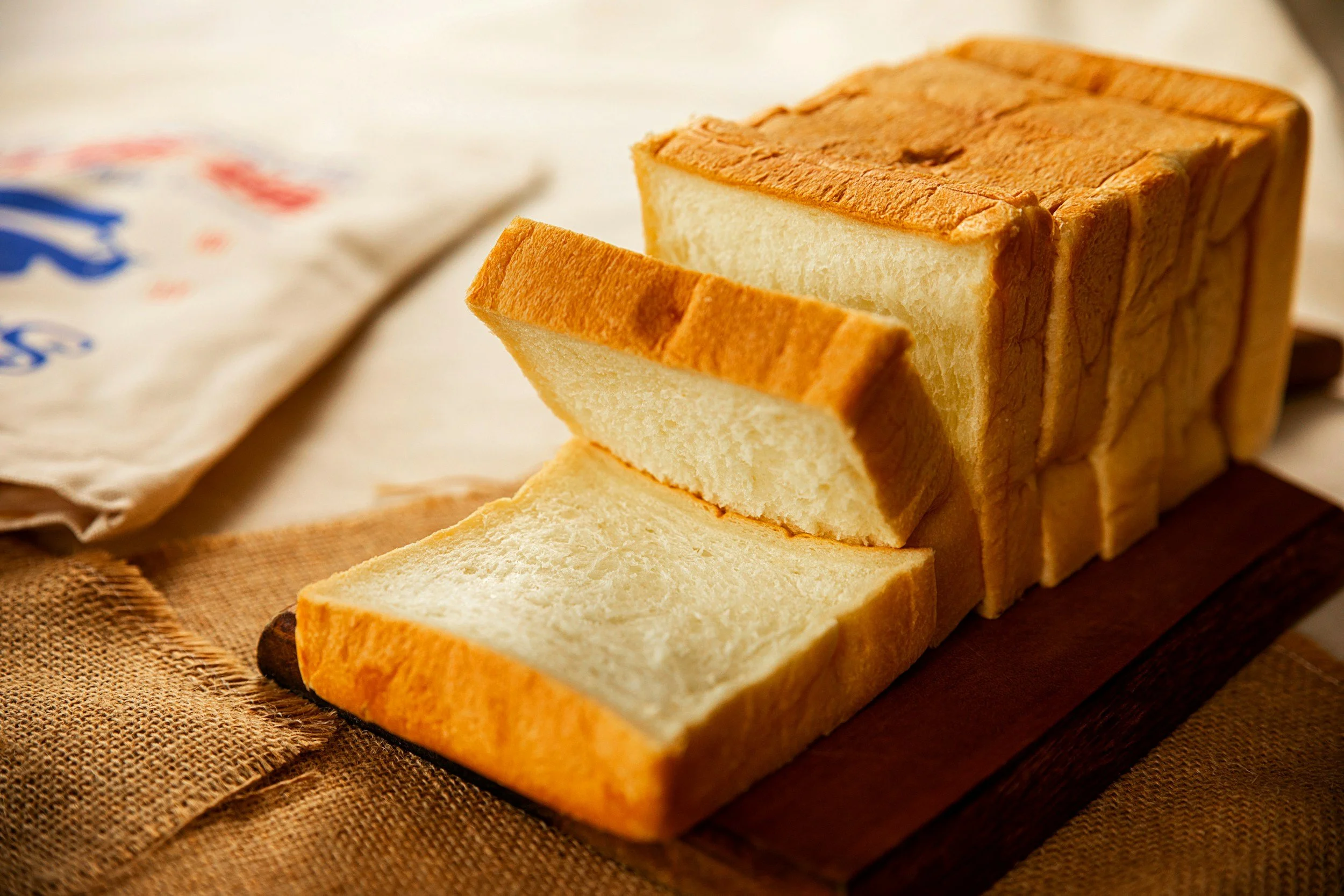
White bread
White rice
Plain pasta
Eggs
Chicken or turkey
Fish
Potatoes without skin
Applesauce
Bananas
Yogurt
Cheese
Smooth peanut butter
Foods to Avoid
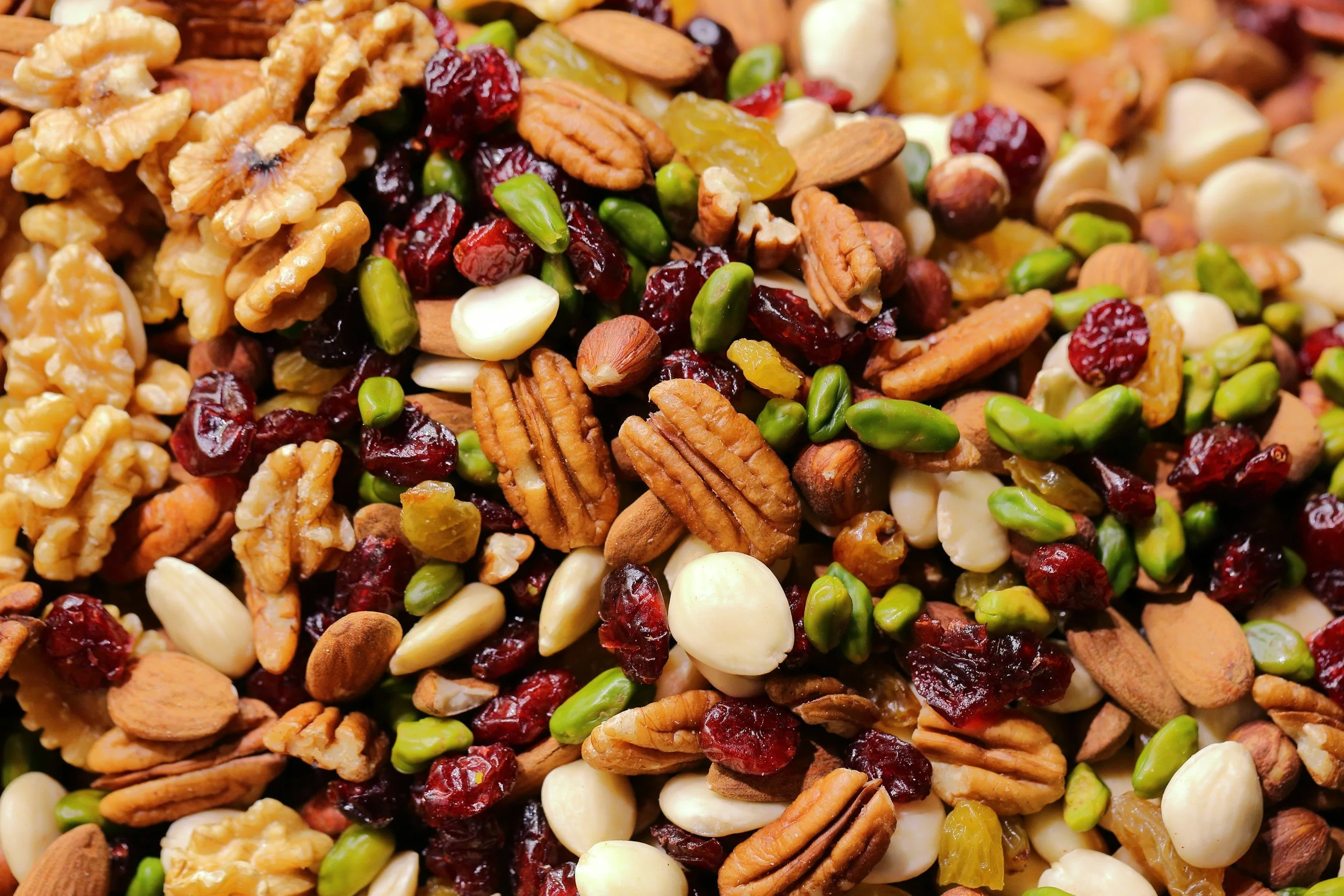
Nuts and seeds
Popcorn
Raw vegetables
Salads
Beans
Whole grains
Corn
Berries
Dried fruit
The Day Before Your Colonoscopy
Most patients will move to a clear liquid diet the day before the procedure.
Clear Liquids Typically Include
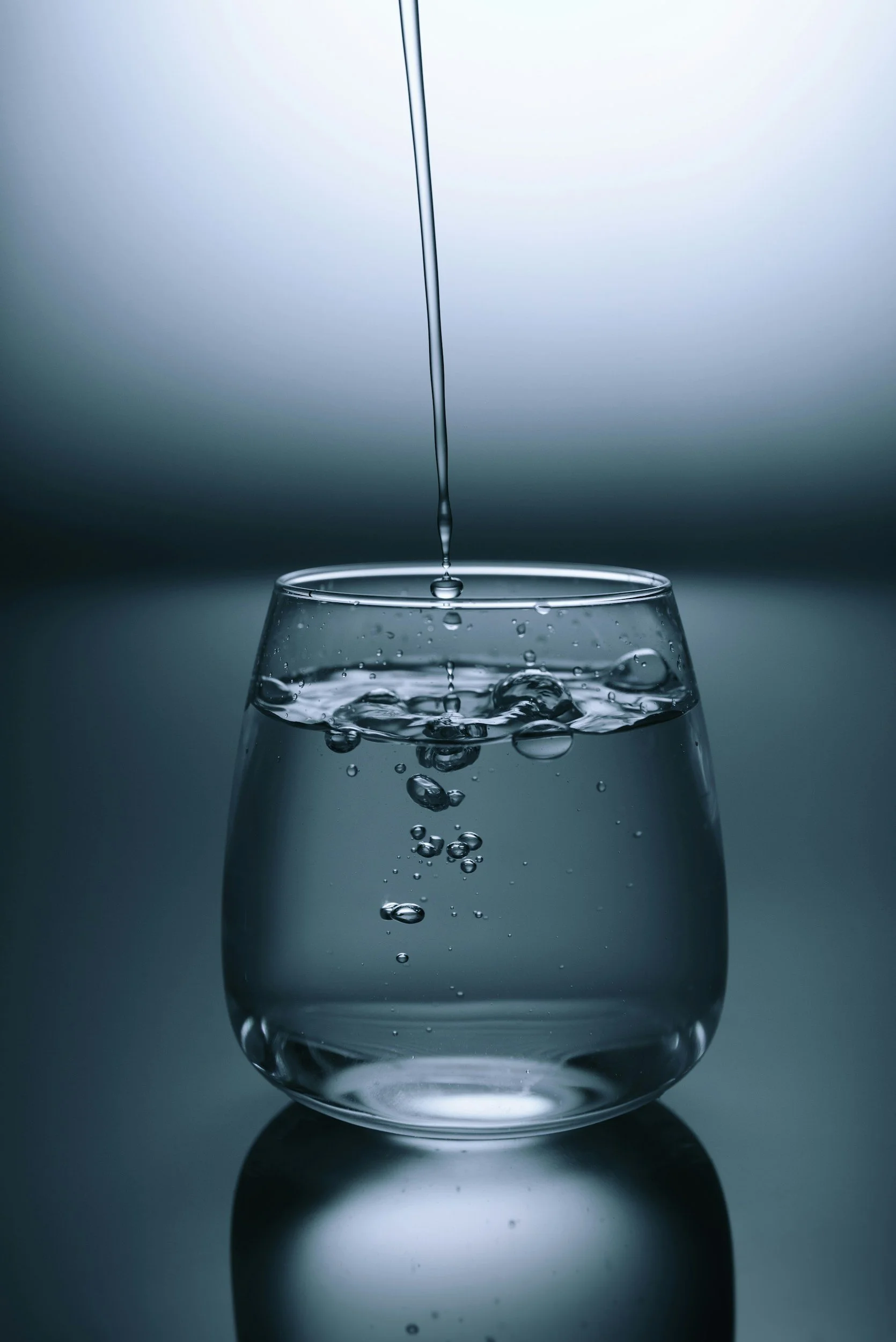
Water
Clear broth or bouillon
Apple juice or white grape juice
Lemon-lime soda
Sports drinks
Tea or coffee without cream
Gelatin (avoid red or purple)
Popsicles without fruit pieces or dairy
Avoid Red, Blue, or Purple Dye
These colors can sometimes look like blood during the procedure and may interfere with results.
Stay Hydrated
The bowel prep process can lead to dehydration, so drinking plenty of fluids is important. Many people find it helpful to alternate water with electrolyte drinks during prep.
Follow Your Doctor’s Instructions
Preparation instructions can vary depending on:
Your health history
Medications
The type of prep prescribed
Procedure timing
Always follow the directions provided by your healthcare team, even if they differ slightly from general advice online.
Why Colonoscopy Prep Matters
Colon cancer is one of the most preventable cancers when caught early. A successful colonoscopy starts with proper preparation, and diet plays a major role in making sure the screening is effective.
If you are 45 or older, or experiencing symptoms like blood in stool, changes in bowel habits, unexplained weight loss, or persistent abdominal pain, talk to your doctor about getting screened.