
Processed Meats and Colorectal Cancer: What You Eat Matters
Research continues to highlight the connection between diet and colorectal cancer risk, particularly when it comes to processed meats. The good news? Making simple changes to your everyday eating habits may help lower your risk.
Bacon, sausage, hot dogs and deli meats are common staples in many American diets. However, research continues to show that regularly consuming processed meats may increase the risk of developing colorectal cancer.
According to the World Health Organization (WHO), eating just 50 grams of processed meat per day, roughly the equivalent of one hot dog, is associated with an approximately 18% higher relative risk of colorectal cancer.
These findings reinforce an important message: The foods we choose can play a meaningful role in our long-term colon health.
Why Are Processed Meats Linked to Colorectal Cancer?

Processed meats are meats that have been preserved through smoking, curing, salting or the addition of preservatives. Common examples include:
Bacon and sausage
Hot dogs and bratwurst
Ham and deli lunch meats
Salami and pepperoni
Smoked or cured meats
The concern isn't simply the amount of fat or sodium these foods contain. Certain compounds found in processed meats, including those formed during preservation and high-temperature cooking, may contribute to DNA damage and increase cancer risk over time.
The International Agency for Research on Cancer classifies processed meat as carcinogenic to humans based on sufficient evidence linking its consumption to colorectal cancer.
While eating processed meat occasionally does not mean someone will develop cancer, regularly consuming these foods may increase the risk. Health organizations recommend limiting or avoiding processed meats and choosing healthier protein sources whenever possible.
Foods That May Help Lower Your Colorectal Cancer Risk
Just as certain foods are associated with increased colorectal cancer risk, others can support digestive health and may help protect against the disease.
The American Cancer Society recommends a healthy eating pattern rich in vegetables, fruits, whole grains and plant-based proteins.
1. Fiber-Rich Whole Grains
Whole grains contain dietary fiber, which supports healthy digestion and may help lower colorectal cancer risk.

Recommended foods:
Oatmeal and steel-cut oats
Brown rice and quinoa
Whole-wheat bread and pasta
Barley and other whole grains
Healthy tip: Replace white bread, white rice and refined pasta with whole-grain alternatives. Even small substitutions can increase your daily fiber intake.
2. Colorful Fruits and Vegetables
Fruits and vegetables provide vitamins, minerals, antioxidants and fiber that support overall health.
Recommended foods:
Broccoli, cauliflower and Brussels sprouts
Spinach, kale and other leafy greens
Carrots and sweet potatoes
Berries, apples and oranges
Tomatoes and bell peppers
Healthy tip: Aim to fill half your plate with fruits and vegetables. Choosing a variety of colors helps provide a wider range of nutrients.
3. Beans, Lentils and Other Plant-Based Proteins
Beans and legumes are excellent sources of fiber and plant-based protein. Replacing processed meats with these foods can improve the overall quality of your diet.
Recommended foods:
Black beans and kidney beans
Chickpeas
Lentils
Edamame
Tofu and other soy-based proteins
Healthy tip: Try substituting beans or lentils for ground beef in chili, soups or tacos a few times each week.
4. Fish and Lean Poultry
Choosing fish and unprocessed poultry instead of red or processed meat can help reduce your intake of foods associated with colorectal cancer risk.
Recommended foods:
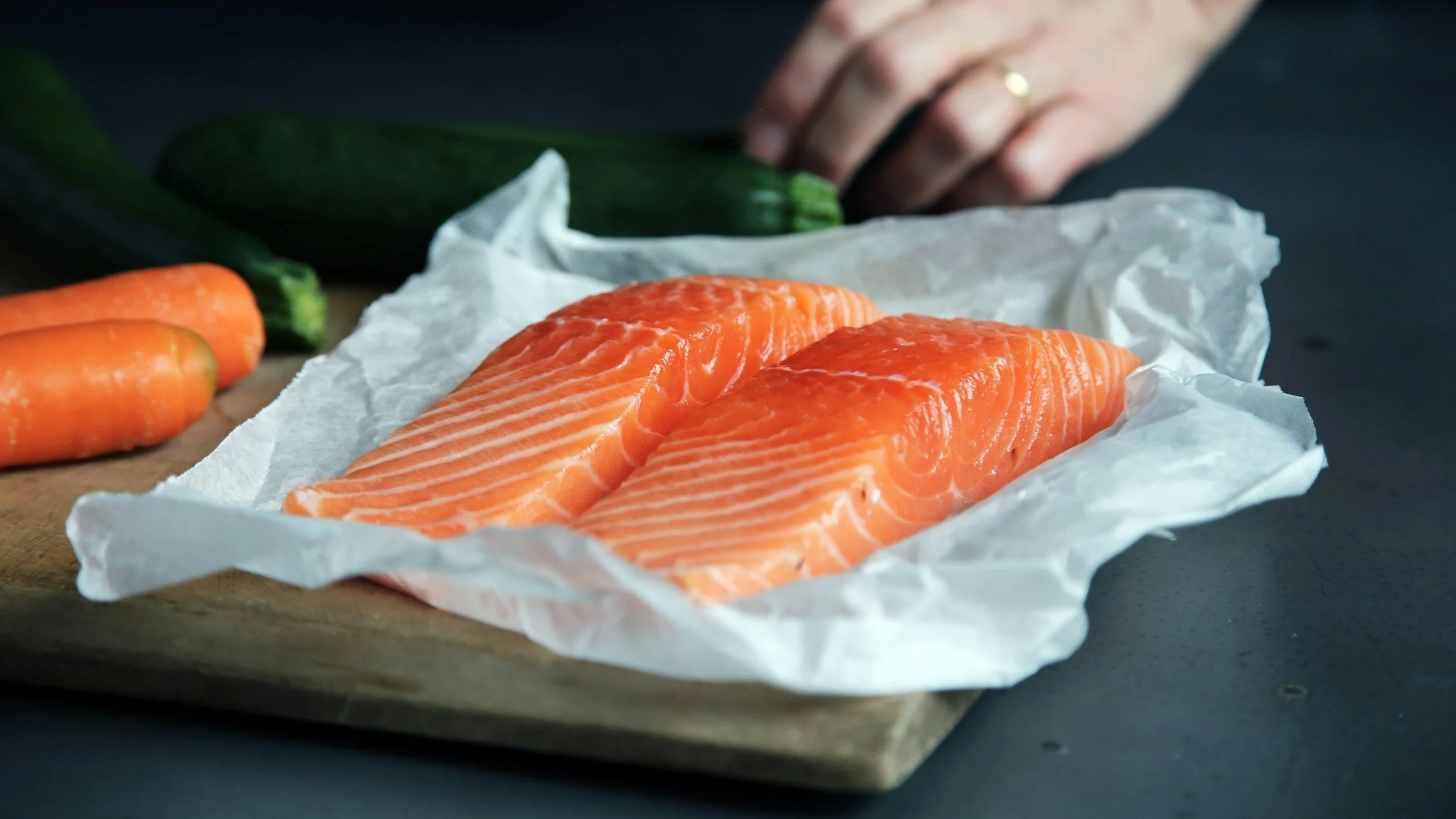
Salmon
Tuna
Trout
Skinless chicken
Turkey breast
Healthy tip: Choose freshly cooked chicken or turkey instead of processed deli meats for sandwiches and salads.
5. Nuts and Seeds
Nuts and seeds provide fiber, healthy fats and other important nutrients. They can be part of a balanced, plant-forward diet that supports overall health.
Recommended foods:
Almonds and walnuts
Chia seeds
Ground flaxseeds
Pumpkin seeds
Pistachios
Healthy tip: Add chia seeds or ground flaxseeds to oatmeal, yogurt or smoothies for an easy fiber boost.
Simple Dietary Changes That Can Make a Difference
Improving your diet doesn't have to happen overnight. Small, consistent changes can help build healthier habits over time.
Here are a few ways to get started:
Limit processed meats. Reduce bacon, sausage, hot dogs and deli meats, and choose unprocessed proteins more often.
Eat more fiber. Incorporate whole grains, beans, fruits and vegetables into your daily meals.
Choose water more often. Replace sugary drinks with water or unsweetened beverages.
Plan more plant-based meals. Try a few meatless lunches or dinners each week.
Limit red meat. The American Institute for Cancer Research recommends no more than 12 to 18 ounces of cooked red meat per week.
Make gradual changes. Focus on sustainable habits rather than trying to overhaul your entire diet at once.
Healthy Eating Is Important, But Screening Is Essential
While making healthier food choices can help reduce colorectal cancer risk, diet alone cannot prevent colorectal cancer.
Regular screening remains one of the most effective tools for colorectal cancer prevention and early detection. Screening tests, particularly colonoscopies, can identify precancerous polyps so they can be removed before developing into cancer.
The American Cancer Society recommends that adults at average risk begin regular colorectal cancer screening at age 45. Individuals with a family history of colorectal cancer, certain medical conditions or other risk factors may need to begin screening earlier.
Take Charge of Your Colon Health
At the Great Plains Colon Cancer Task Force, our mission is to increase awareness of colorectal cancer and the importance of prevention and early detection.
The choices you make today can have a lasting impact on your health. Eating more fiber-rich foods, limiting processed meats, staying physically active and keeping up with recommended screenings are all important steps toward reducing your colorectal cancer risk.
Make your colon health a priority. Talk with your healthcare provider about your personal risk factors and when you should begin colorectal cancer screening.
Sources