
10 Foods That May Help Lower Your Risk of Colon Cancer
When it comes to protecting your health, what's on your plate matters. While no single food can prevent colorectal cancer, research shows that a healthy diet rich in fiber, fruits, vegetables, and whole grains can help reduce your risk.
Colorectal cancer is one of the most preventable cancers, and lifestyle choices, including diet, play an important role. Pairing healthy eating habits with regular screening is one of the best ways to protect your colon health.
Here are 10 foods worth adding to your grocery list.
1. Beans and Lentils
Black beans, chickpeas, kidney beans, and lentils are some of the best sources of dietary fiber. Fiber helps move waste through the digestive tract, supports a healthy gut microbiome, and may reduce inflammation in the colon.
Try it: Add beans to soups, salads, tacos, or grain bowls.
2. Whole Grains
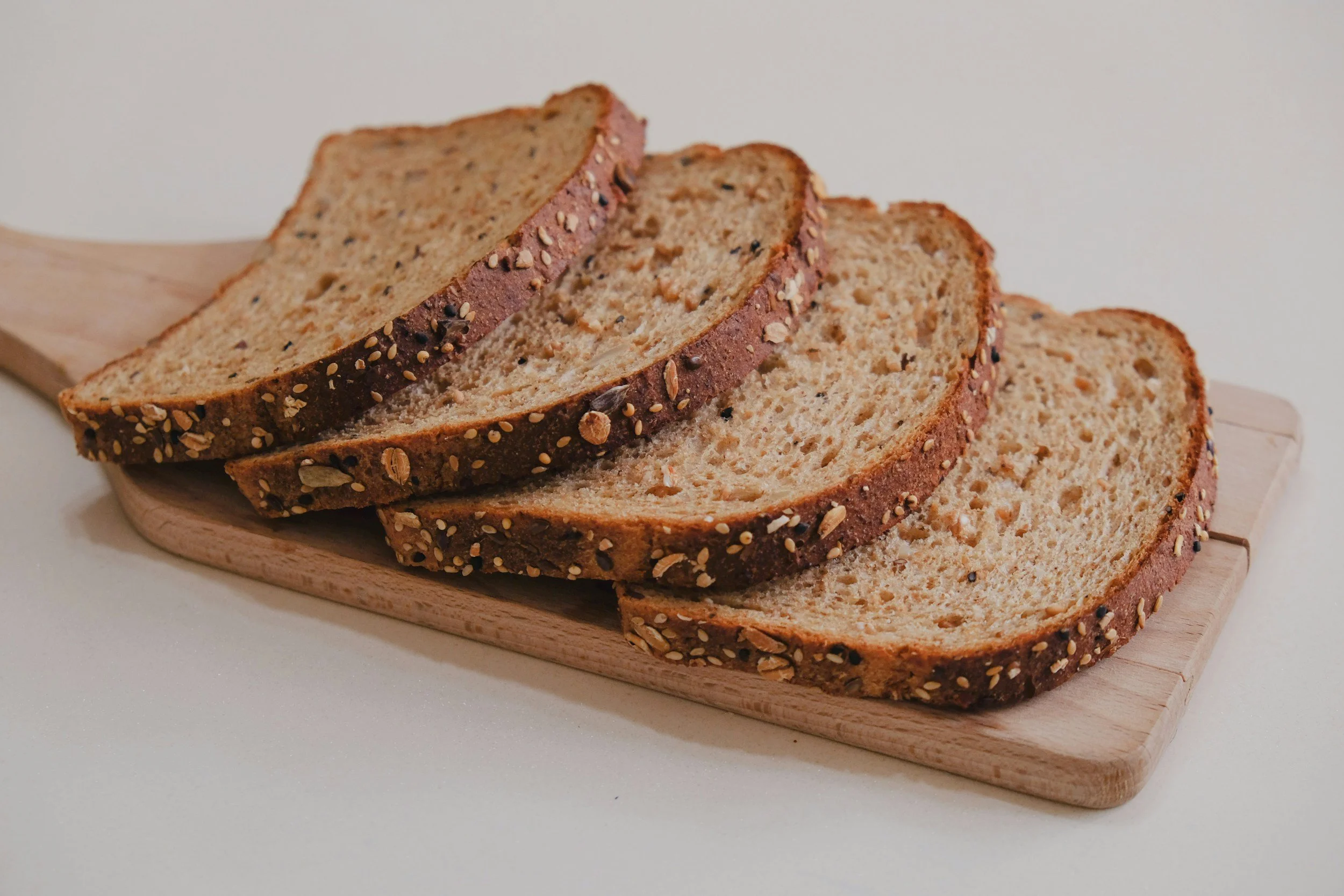
Whole grains such as oats, quinoa, brown rice, barley, and whole wheat bread provide fiber and nutrients that refined grains lose during processing.
Try it: Swap white rice for brown rice or choose whole grain pasta for your next meal.
3. Berries
Blueberries, raspberries, strawberries, and blackberries are packed with antioxidants, vitamins, and fiber. These nutrients help protect cells from damage and support overall digestive health.
Try it: Add fresh berries to yogurt, oatmeal, or smoothies.
4. Leafy Green Vegetables
Spinach, kale, romaine, and Swiss chard are rich in vitamins, minerals, and folate, a nutrient associated with healthy cell growth.
Try it: Toss greens into salads, wraps, omelets, or smoothies.
5. Cruciferous Vegetables
Broccoli, cauliflower, Brussels sprouts, and cabbage contain compounds that researchers continue to study for their potential cancer-fighting properties.
Try it: Roast them with olive oil and your favorite seasonings for an easy side dish.
6. Apples
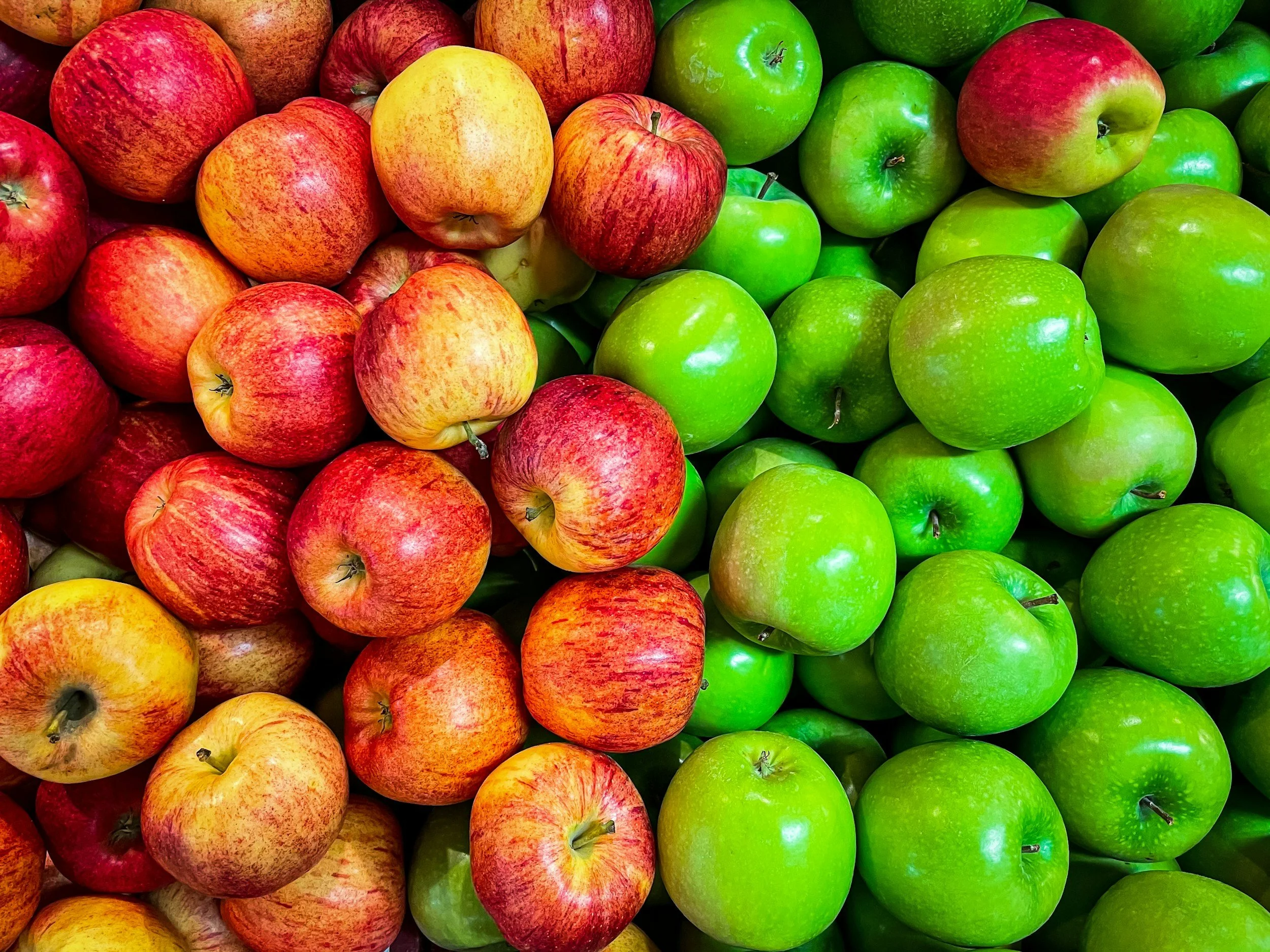
Apples are an excellent source of fiber, especially when eaten with the peel. They also contain plant compounds that support gut health.
Try it: Slice one for an afternoon snack or add it to a salad.
7. Yogurt with Live Cultures
A healthy balance of gut bacteria may contribute to better digestive health. Yogurt with live and active cultures can be one way to support a healthy microbiome.
Try it: Choose plain yogurt and top it with fruit and nuts for a nutritious breakfast or snack.
8. Nuts and Seeds
Almonds, walnuts, chia seeds, and flaxseed provide healthy fats, fiber, and plant-based nutrients that support overall wellness.
Try it: Sprinkle chia or flaxseed into oatmeal or smoothies, or enjoy a handful of nuts as a snack.
9. Fatty Fish
Salmon, trout, sardines, and other fatty fish contain omega-3 fatty acids, which may help reduce inflammation throughout the body.
Try it: Aim to enjoy fish a couple of times each week as part of a balanced diet.
10. Colorful Fruits and Vegetables
The more colors on your plate, the wider variety of vitamins, minerals, and antioxidants you're getting. Red peppers, carrots, tomatoes, sweet potatoes, oranges, and berries all contribute to a nutrient-rich diet.
Try it: Challenge yourself to include at least three different colors at every meal.
Foods to Enjoy in Moderation
Along with eating more healthy foods, consider limiting foods that may increase colorectal cancer risk, including:
Processed meats such as bacon, sausage, hot dogs, and deli meats
Large amounts of red meat
Sugar-sweetened beverages
Highly processed foods that are low in fiber
Excessive alcohol
Remember, healthy eating is about making better choices most of the time, not striving for perfection.
Healthy Habits Go Beyond Your Plate
Diet is just one piece of the puzzle. You can further reduce your risk of colorectal cancer by:
Staying physically active.
Maintaining a healthy weight.
Avoiding tobacco products.
Limiting alcohol.
Keeping up with recommended colorectal cancer screenings.
The Bottom Line
Eating a diet filled with fiber-rich foods, fruits, vegetables, whole grains, and healthy proteins is one of the best investments you can make in your long-term health. Small changes, like choosing whole grains over refined grains or adding another serving of vegetables each day, can add up over time.
Just remember, even the healthiest diet cannot replace colorectal cancer screening. If you're age 45 or older, or have a family history or other risk factors, talk with your healthcare provider about when you should be screened. Early detection saves lives.